A mortise lock is a lock requiring a pocket—the mortise—to be cut into a piece of furniture or the edge of a door into which the lock is to be fitted. Mortise locks are typically found on older, pre-bored cylindrical lock structures worldwide; however, they are increasingly used in high-end commercial and residential construction. In addition, the style is prevalent in domestic buildings of most eras. Read More…
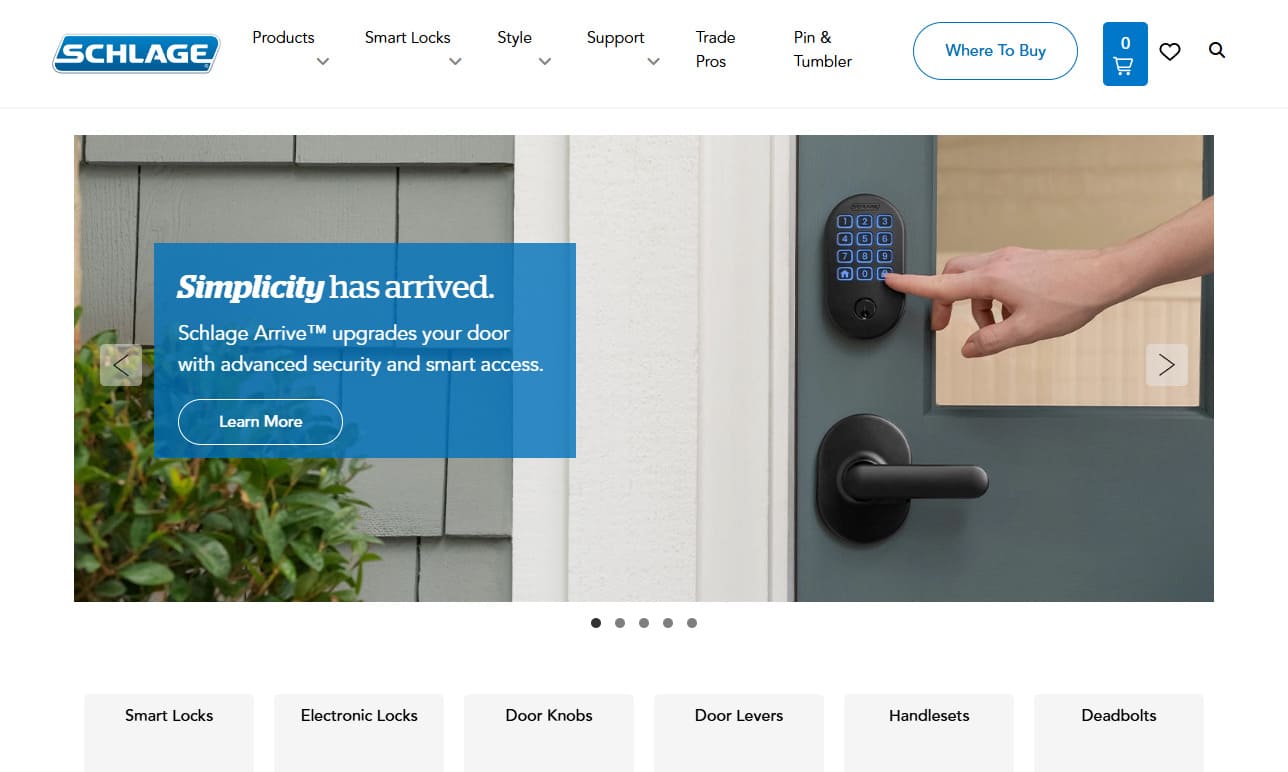
At Schlage, we take pride in designing and manufacturing locks that combine security, innovation, and craftsmanship. Since our founding in 1920, we have been committed to protecting what matters most by creating reliable door hardware that blends functionality with style.

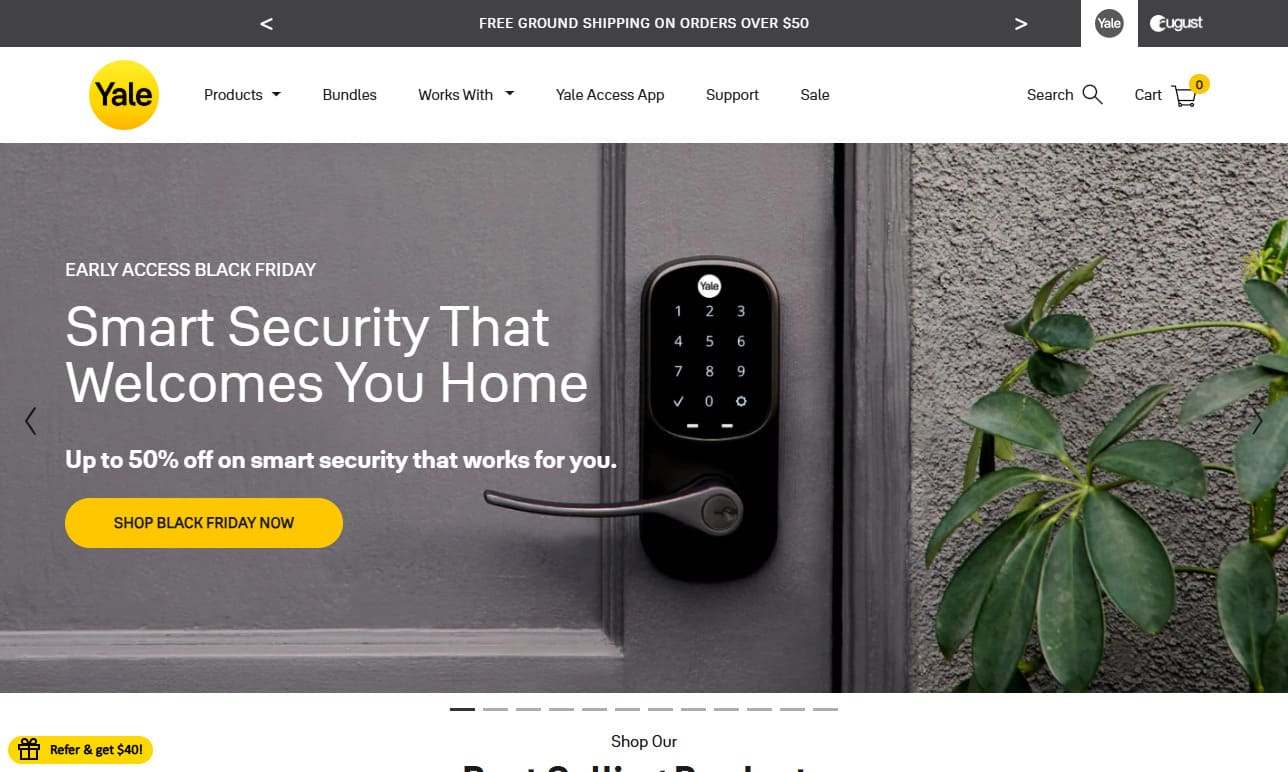
At Yale, we take pride in being one of the world’s most trusted names in locks and security solutions. For over a century, we have designed and manufactured innovative locking systems that safeguard homes, businesses, and institutions worldwide. Our expertise spans from traditional mechanical locks to cutting-edge smart lock technologies, ensuring reliability, durability, and ease of use in...

At Weiser, we take pride in crafting locks that blend security, style, and innovation. For generations, we have designed products that protect homes and businesses while complementing their aesthetic. Our locks are engineered for lasting performance, offering precision mechanisms and advanced finishes that stand up to daily use.

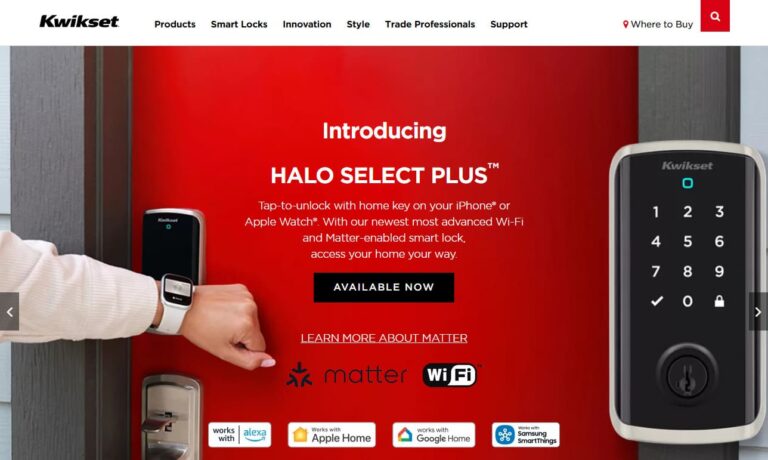
At Kwikset, we are committed to providing innovative locking solutions that combine security, style, and convenience. We design and manufacture a wide range of residential and commercial locks, including deadbolts, handle sets, electronic locks, and smart lock systems. Our products are engineered to meet the highest standards of safety while complementing the aesthetics of modern homes and...
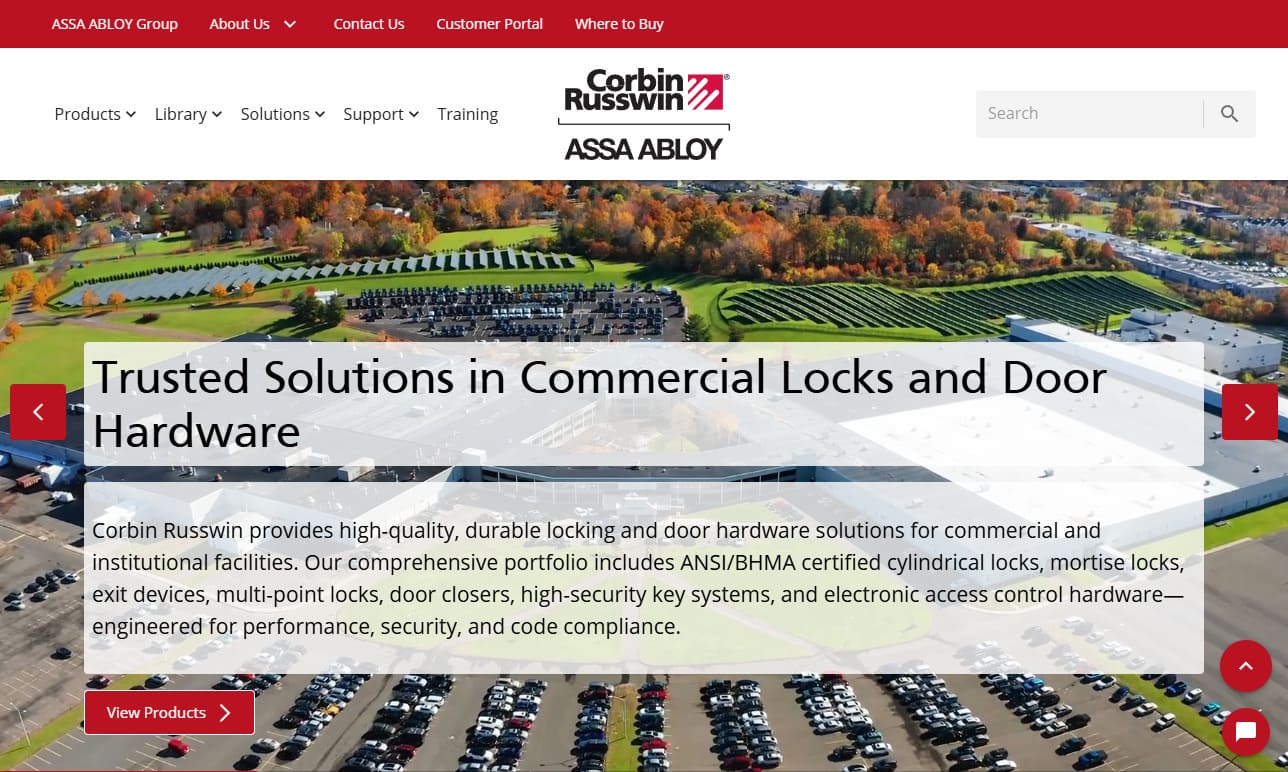
At Corbin Russwin, we take pride in designing and manufacturing locks that deliver the highest standards of security, durability, and performance. Our expertise in architectural hardware and access control solutions allows us to create locking systems that meet the diverse needs of commercial, institutional, and industrial environments.




More Mortise Lock Manufacturers
Mortise locks are advanced door lock mechanisms constructed from a variety of robust mechanical components. These components, often featuring unique and complex shapes, are housed within a sturdy box crafted from thick gauge steel. The design includes a series of circular and square holes, reminiscent of a secret code, that contribute to the lock’s security and functionality.
The "body" of a mortise lock is ingeniously concealed inside a precision-cut recess—known as a mortise—carved into the edge of the door. Due to the complexity and precision required for proper mortise lock installation, this is not generally considered a DIY project. Professional installation is strongly recommended to ensure both the integrity of the door and the optimal functioning of the lock.
Although mortise locks are often perceived as stronger and more secure than traditional bored cylindrical locks, it is important to note that the process of cutting a mortise can potentially compromise the structural integrity of the door if not performed correctly. However, mortise locks offer several distinct advantages: they provide superior leverage, demonstrate increased durability, and offer greater architectural compatibility with a variety of existing security systems. Furthermore, older homes may feature mortise locks designed to be operated with skeleton keys, adding to their historical appeal.

Understanding the Mortise Lock Mechanism
A mortise lockset is specifically engineered for doors that accommodate mortise locks, involving the installation of a box lock into a deep slot or “mortise” on the door’s edge. Mortise lock sets are typically supplied with a backplate, door knob, box lock, and all requisite hardware. They are available in a range of classic, contemporary, and custom designs, giving architects and property owners flexibility in both function and aesthetics.
Various types of mortise locks are available to suit different security and operational needs. For example, a non-locking spring latch, operated by a door handle or lever, is a common feature in mortise locks known as sash locks. In contrast, a deadlock is a more basic design that excludes a handle or latch, relying solely on a key or lever for operation. Deadlocks, often built as pin tumbler rim locks, are favored for their role as a secure backup to non-deadlocking latches.
Historically, lever locks have played a key role in mortise lock mechanisms and continue to be widely used today. Older mortise lock designs may have incorporated warded lock mechanisms, although lever keys are the prevailing standard in modern European mortise locks. This variation in terminology and design can sometimes cause confusion among consumers and professionals alike.
The essential components of a typical mortise lock installation include:
- Lock body: Installed within the mortise cut in the door, housing the main locking mechanism.
- Lock trim: The external hardware—such as levers, doorknobs, handle sets, and pulls—available in a wide array of finishes and styles.
- Strike plate (or box keep): Reinforces and lines the cavity in the door jamb or frame where the bolt engages.
- Keyed cylinder: Controls the locking and unlocking action, interfacing with the lock body’s internal mechanism.
Design and Construction of Mortise Locks
The four fundamental components of a mortise lock—lock body, lock trim, strike plate, and keyed cylinder—work together to deliver robust security and reliability. The lock body is meticulously fitted into the door, and the lock trim provides the user interface through handles, knobs, or levers. The strike plate lines the corresponding hole in the frame, enhancing resistance against forced entry, while the keyed cylinder enables precise locking and unlocking functionality.
Mortise lock components are typically manufactured from high-quality metals, such as brass, nickel, copper, or various types of steel. These materials are selected for their strength, durability, and resistance to tampering or wear. Mortise locks are often offered in a variety of finishes—polished, plated, or engraved—allowing them to complement virtually any architectural or interior design scheme.
Why choose a mortise lock over a cylinder lock? Mortise locks are generally considered more durable and reliable than standard cylinder locks due to several factors:
- The locking mechanism is concealed within the door, making it more difficult for intruders to bypass.
- Only a lever or key inside the lock can retract the deadbolt, increasing resistance to unauthorized entry.
- Mortise bolts are typically thicker and longer, providing enhanced defense against forced attacks.
- The installation method results in a tighter fit, reducing the likelihood of lock manipulation or break-ins.
Due to their complexity, mortise locks should always be installed, serviced, or repaired by a professional locksmith. This is especially important when addressing worn pins, springs, or other internal components, as improper servicing can compromise the lock’s effectiveness.

Applications and Use Cases for Mortise Locks
Mortise locks are a favored solution for properties and facilities requiring a high level of security, durability, and design flexibility. They are especially popular in commercial, residential, and institutional settings, including:
- Hotels: Luxury hotels and boutique accommodations often use mortise locks for guest room doors due to their reliability, elegant appearance, and compatibility with modern access control systems.
- Office Buildings: High-traffic office environments benefit from the durability and tamper-resistance of mortise locks, making them ideal for main entry doors, conference rooms, and secure areas.
- Historic and Affluent Homes: Older residences and upscale homes often feature mortise locks, maintaining architectural authenticity while providing robust security.
- Healthcare Facilities: Hospitals and clinics rely on mortise locks for controlled access to sensitive areas, patient rooms, and medication storage.
- Educational Institutions: Schools and universities use mortise locks for classrooms, administrative offices, and entryways, where consistent performance and security are paramount.
Beyond these core sectors, mortise locks are also chosen for their versatility in specialty applications, such as:
- Custom wood or metal doors requiring tailored locking solutions
- High-security environments needing advanced access control integration
- Architectural restoration projects where period-specific hardware is essential
While mortise locks offer superior security, their installation is considerably more complex than that of cylindrical locks. The process involves careful measurement and the skilled removal of a precise section of the door to fit the rectangular lock body. This body houses the intricate locking mechanism—including the doorknob, lever, handle, and robust deadbolt. A corresponding metal plate is then aligned and secured into the door frame, ensuring optimal performance and resistance to forced entry.

Benefits: Why Choose Mortise Locks?
Choosing a mortise lock system offers a multitude of benefits for property owners, facility managers, and architects seeking optimal security solutions. Let’s explore the key advantages that drive the decision to invest in mortise locks:
- Unmatched Security: Mortise locks are engineered to withstand picking, drilling, and forced entry attempts, making them ideal for high-security doors and entryways.
- Exceptional Durability: Built from premium materials and designed for high-traffic environments, mortise locks are highly resistant to wear, corrosion, and repeated use.
- Architectural Flexibility: Available in a wide range of finishes and styles, mortise locks can be seamlessly integrated into nearly any design scheme, from modern to traditional.
- Enhanced Functionality: Many mortise locks support advanced features such as privacy functions, access control integration, keyless entry systems, and master keying capabilities.
- Longevity and Value: The robust construction of mortise locks means they often outlast standard locks, resulting in lower long-term replacement and maintenance costs.
Common motivations for purchasing mortise locks include:
- Trustworthy, time-tested security for homes and businesses
- Compatibility with existing architectural requirements or structural designs
- Architectural or historical mandates specifying mortise lock usage
- Superior resilience to daily use, abuse, and harsh environments
- Ability to support modern electronic access control or smart lock upgrades
Are you wondering if a mortise lock is right for your property? Consider your security needs, design preferences, and the expertise required for installation. For customized recommendations, explore our directory of vetted mortise lock manufacturers or contact an expert locksmith to discuss your project.

Choosing the Right Mortise Lock Manufacturer
Selecting the best mortise lock for your application means partnering with a reputable manufacturer or supplier who can deliver the right combination of security, style, and value. Here’s how to approach the buying process:
- Assess Your Requirements: Define the primary use case for your mortise lock (residential, commercial, institutional, or specialty). Consider factors such as door material, traffic level, and need for integration with access control or smart home systems.
- Research Manufacturers: Compare at least five leading mortise lock manufacturers using our mortise lock directory. Each company profile highlights key areas of expertise, product certifications, customization options, and customer reviews.
- Request Quotes and Information: Use the contact forms provided on each manufacturer’s business profile page to request more information, product catalogs, or a detailed quote. Be sure to specify your requirements for function, finish, and compliance with local building codes or security regulations.
- Evaluate Samples and References: Ask for product samples, case studies, or reference installations relevant to your project. This helps ensure the lock’s quality and suitability for your intended application.
- Finalize Your Purchase: Once you’ve compared features, pricing, lead times, and after-sales support, select the manufacturer that best aligns with your security needs and budget.
For a streamlined comparison, use our patented website previewer to review each business’s online presence. Then submit a single Request for Quote (RFQ) form to contact multiple mortise lock manufacturers at once—saving you time and ensuring competitive responses.
Frequently Asked Questions (FAQ) About Mortise Locks
What makes mortise locks more secure than standard cylindrical locks?
Mortise locks feature a larger, more robust internal locking mechanism and a thicker bolt, making them much harder to force open. Their design also allows for more complex keyways and advanced security features, such as anti-pick pins and hardened inserts.
Can I install a mortise lock myself?
While technically possible for experienced woodworkers or carpenters, mortise lock installation is best left to professional locksmiths. Accurate mortising is required to avoid weakening the door and to ensure proper fit and function.
How do I maintain a mortise lock?
Regular lubrication of moving parts, periodic inspection for wear, and prompt attention to signs of sticking or difficulty in operation will extend the lifespan of your mortise lock. Always use manufacturer-recommended lubricants and consult a locksmith for servicing.
Can mortise locks be integrated with smart home or electronic access control systems?
Yes, many modern mortise locks support electronic cylinders, RFID access, or even wireless connectivity for integration with smart home systems or commercial access control platforms.
What types of doors are suitable for mortise locks?
Mortise locks are compatible with solid wood, metal, and some composite doors, provided the door thickness meets the minimum requirements specified by the lock manufacturer.
Mortise Locks: Decision Factors and Buying Guide
When evaluating mortise locks for purchase or specification, consider these key decision factors:
- Security Rating: Look for locks tested to ANSI/BHMA or EN standards, offering features such as anti-drill plates, hardened inserts, or UL fire ratings.
- Functionality: Choose from passage, privacy, entry, storeroom, and classroom functions, tailored to the use case.
- Keying Options: Decide between standard, master key, or restricted key systems based on your access control needs.
- Finish and Design: Select from available finishes (polished brass, satin chrome, oil-rubbed bronze, etc.) and styles to suit your interior or exterior décor.
- Integration: Assess compatibility with existing keys, smart lock upgrades, or building management systems.
- Warranty and Support: Opt for manufacturers with strong warranties and responsive technical support.
Ready to find the ideal mortise lock for your project? Compare leading mortise lock manufacturers, or request expert advice to ensure your installation meets the highest standards of security and design.
Explore Further: Mortise Locks and Modern Security Solutions
As security technology evolves, mortise locks continue to adapt, offering compatibility with electronic access control, smart locks, and biometric entry systems. For architects, builders, and facilities managers, this means it is possible to combine the classic strength and reliability of mortise locks with the convenience and sophistication of modern security solutions.
For personalized assistance, contact our team—we’re here to help you secure your property with the industry’s most trusted mortise lock solutions.
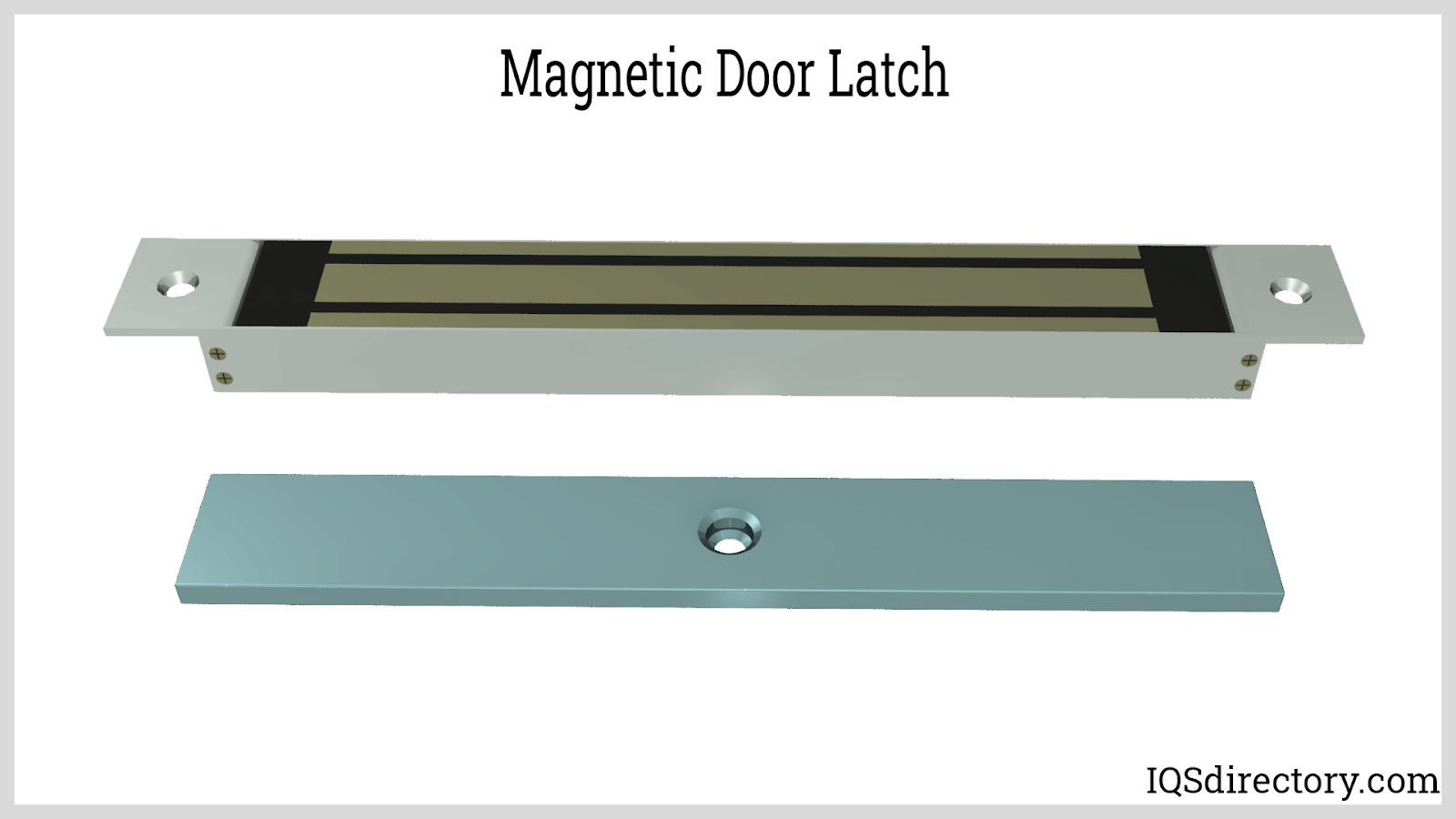
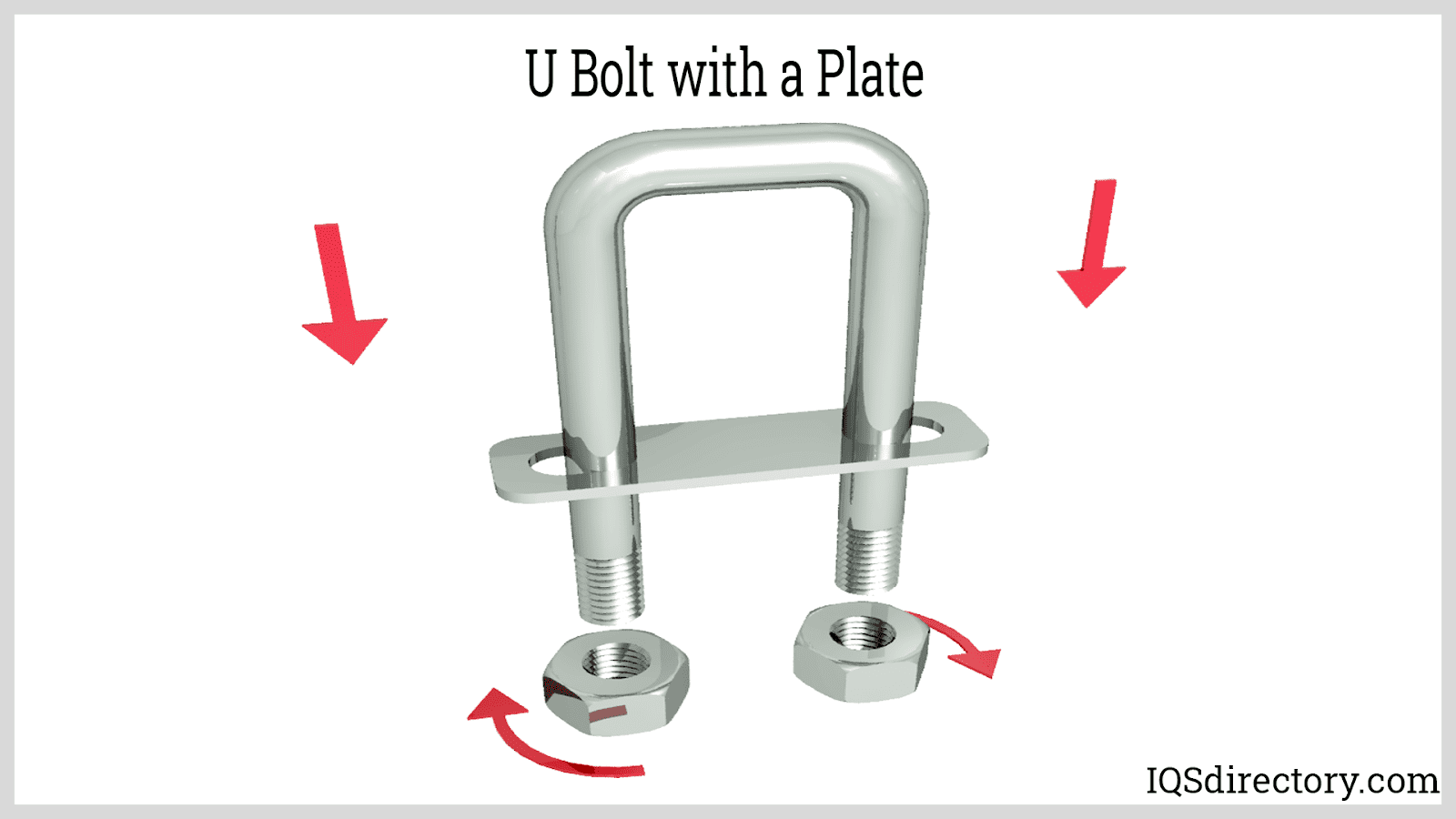
 Bolts
Bolts Fasteners
 Gas Spring
 Handles
 Hinges
 Latches
 Locks
Locks WIre Hooks
 Castings & Forgings
 Bulk Material Handling
 Electrical & Electronic Components
 Flow Instrumentation
 Hardware
 Material Handling Equipment
 Metal Cutting Services
 Metal Forming Services
 Metal Suppliers
 Motion Control Products
 Plant & Facility Equipment
 Plant & Facility Supplies
 Plastic Molding Processes
 Pumps & Valves
 Recycling Equipment
 Rubber Products & Services