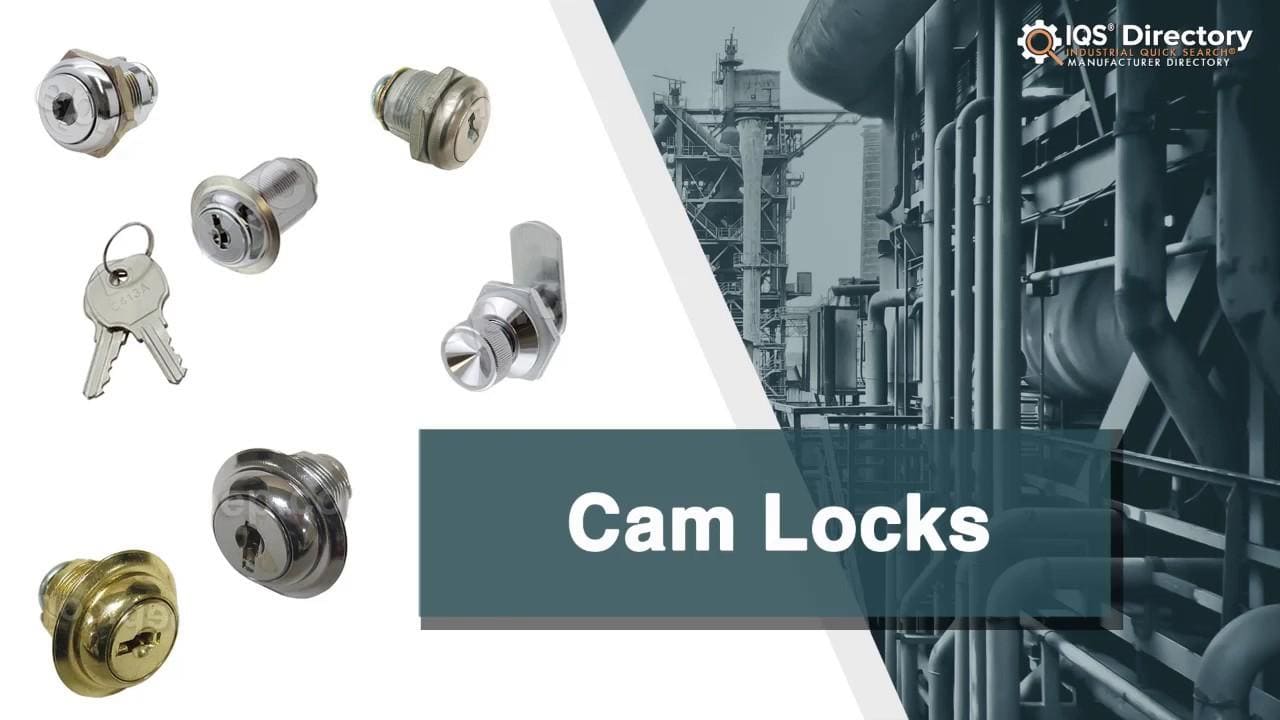
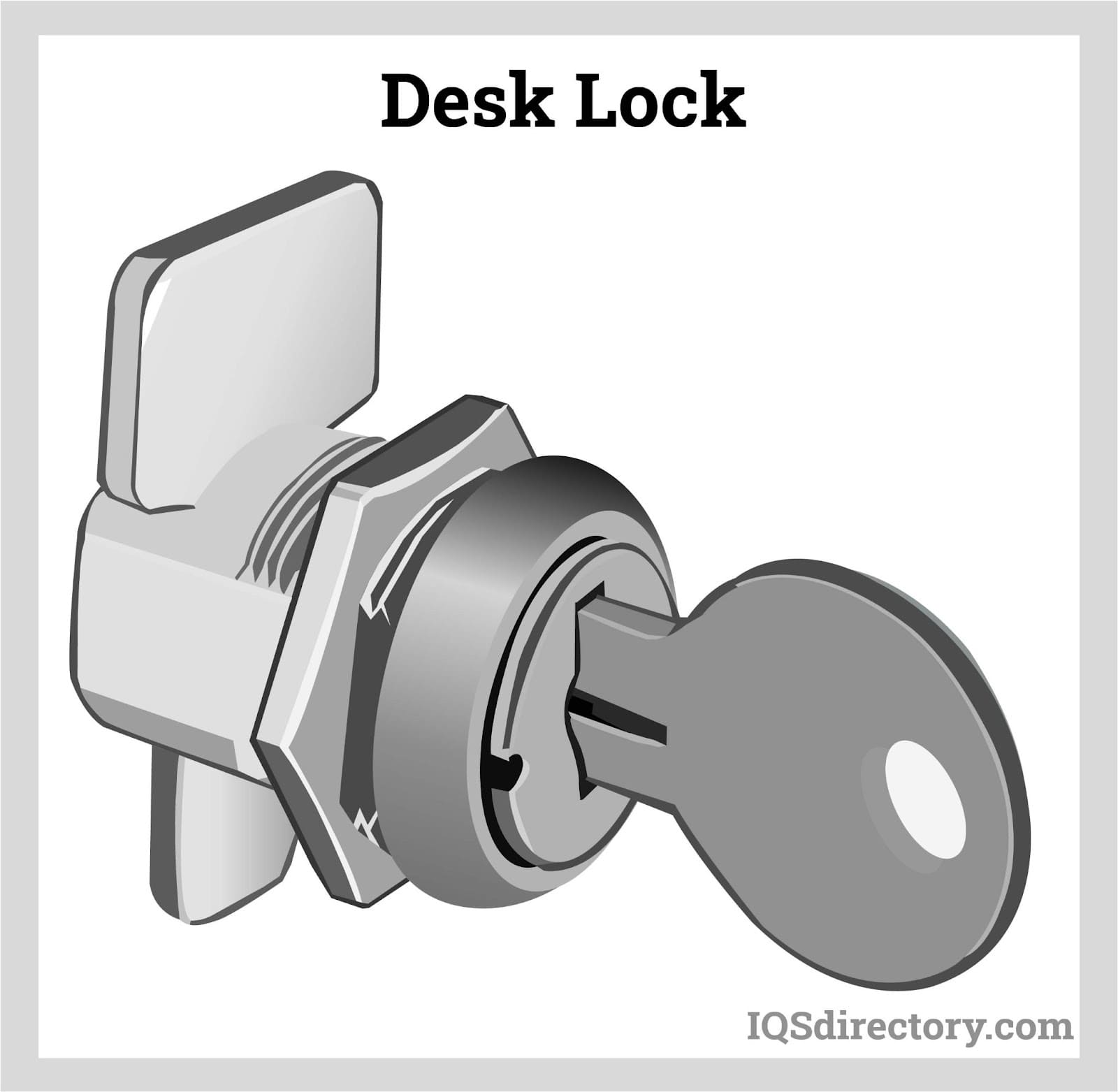
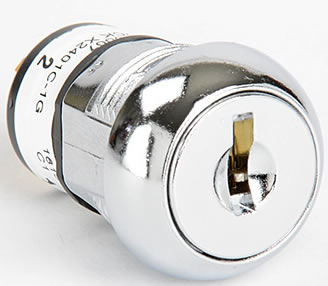
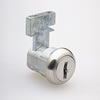
Cam locks are L-shaped locking mechanisms used to secure lockers, cabinets, and other enclosures. They are made up of a tongue bar and a cylindrical keyed nut as their major components. After installation, you can lock the enclosure by twisting the former section while inserting a key. Read More…
At Schlage, we take pride in designing and manufacturing locks that combine security, innovation, and craftsmanship. Since our founding in 1920, we have been committed to protecting what matters most by creating reliable door hardware that blends functionality with style.

At Yale, we take pride in being one of the world’s most trusted names in locks and security solutions. For over a century, we have designed and manufactured innovative locking systems that safeguard homes, businesses, and institutions worldwide. Our expertise spans from traditional mechanical locks to cutting-edge smart lock technologies, ensuring reliability, durability, and ease of use in...

At Weiser, we take pride in crafting locks that blend security, style, and innovation. For generations, we have designed products that protect homes and businesses while complementing their aesthetic. Our locks are engineered for lasting performance, offering precision mechanisms and advanced finishes that stand up to daily use.

At Kwikset, we are committed to providing innovative locking solutions that combine security, style, and convenience. We design and manufacture a wide range of residential and commercial locks, including deadbolts, handle sets, electronic locks, and smart lock systems. Our products are engineered to meet the highest standards of safety while complementing the aesthetics of modern homes and...

At Corbin Russwin, we take pride in designing and manufacturing locks that deliver the highest standards of security, durability, and performance. Our expertise in architectural hardware and access control solutions allows us to create locking systems that meet the diverse needs of commercial, institutional, and industrial environments.




More Cam Lock Manufacturers
Comprehensive Guide to Cam Locks: Function, Types, Applications, and How to Choose
Cam locks are essential locking devices used across countless industries for reliable security, equipment access control, and streamlined operations. From industrial cabinets and enclosures to furniture, vending machines, and high-security applications, cam locks deliver practical, robust solutions for safeguarding contents and managing entry points. If you're searching for the right cam lock for your application, understanding the mechanisms, available types, material options, and best practices for selection and maintenance is crucial. This guide covers everything you need to know about cam locks to make an informed purchase decision.
How Cam Locks Function
Cam locks, also referred to as cam lock latches, operate as simple yet highly effective mechanical locking systems. Their core function relies on a cam—a flat, rotating metal piece (also called a tongue bar)—which moves to secure or release the lock when a key or tool is turned. Installed directly into the front of an enclosure, cabinet door, or panel, the cam lock is flush-mounted for a clean finish and tamper resistance. This design is valued for its minimal protrusion and ease of integration into diverse environments.
To operate, insert the proper cam lock key and turn it to rotate the cam. The tongue bar then moves either sideways or vertically, depending on the lock configuration. When rotated, the cam engages with a stationary strike plate or catches behind the edge of the enclosure, effectively locking the door, panel, or drawer. In the unlocked position, the cam disengages, allowing access. This straightforward motion delivers dependable security, making cam locks a popular choice for applications ranging from locking file cabinets and lockers to vending machines, display cases, and cash boxes.
Many cam locks can be keyed alike for convenience, allowing multiple locks to be opened with a single key, or keyed differently for higher security. Some advanced models offer master keying or electronic actuation for integration into access control systems.

How Cam Locks are Made
The invention of the modern cam lock is attributed to Volker Guelck, a Canadian inventor, in 1985. Today, cam locks are precision-engineered from a variety of materials to meet the rigorous demands of industrial, commercial, and residential environments. Manufacturing involves forming the lock body, cylinder, and cam lever from high-strength metals such as zinc alloy, stainless steel, brass, aluminum, or bronze. These components are machined or die-cast, then finished with plating or coatings for corrosion resistance and aesthetic appeal.
Inside the lock, the rotating plug houses the keyway and pins (in pin tumbler models) or wafer tumblers (in wafer cam locks), which provide the locking mechanism. The cam is attached to the rear of the cylinder and secured with a nut or screw. This simple but robust construction allows for a variety of cam shapes, lengths, and offsets to suit different installation requirements—whether surface-mounted or through-hole mounted on doors, drawers, or access panels.
Modern cam locks incorporate additional features such as anti-drill pins, pick-resistant mechanisms, dust covers, and weatherproof gaskets, making them suitable for high-security or outdoor applications. For specialized use, electronic cam locks or combination cam locks offer keyless entry, audit trails, and integration with smart security systems.
What to Consider When Selecting Cam Locks
When evaluating cam locks for your project, several key factors determine their suitability and security performance. Here’s what you should consider when purchasing cam locks for industrial, commercial, or residential use:
- Material: The choice of cam lock material affects strength, corrosion resistance, and cost. Common options include zinc alloy (affordable and versatile), brass (durable and corrosion-resistant), stainless steel (ideal for harsh environments), and aluminum (lightweight and conductive).
- Keying Options: Decide whether you need cam locks keyed alike (one key opens multiple locks), keyed differently (unique key for each lock), master keyed (a single master key opens multiple locks with individual keys), or electronic/combo actuation.
- Security Level: Consider the risk of unauthorized access. For higher security, select cam locks with anti-pick, anti-drill, or tamper-proof features.
- Installation Requirements: Assess the panel thickness, mounting hole diameter, and cam length required for your enclosure or application.
- Environmental Conditions: For outdoor or corrosive settings, choose cam locks with weatherproof finishes and dust protection.
- Compliance: Ensure the cam lock meets relevant safety and industry standards, especially for use in regulated sectors.
Tip: If you’re outfitting multiple enclosures, ask: Do you need your cam locks keyed alike for convenience, or keyed differently for security? Many manufacturers offer customized keying plans to fit your operational needs.
Cam Lock Applications: Where Are Cam Locks Used?
Cam locks are highly adaptable hardware components used in a wide variety of industries and environments. Their ability to provide secure closure and quick access makes them a staple in sectors such as manufacturing, agriculture, oil and gas, chemical processing, pharmaceuticals, military, and commercial security.
Some of the most common uses and applications for cam locks include:
- Industrial Enclosures: Securing control panels, electrical cabinets, server racks, and machinery access doors.
- Furniture and Cabinetry: Locking desk drawers, filing cabinets, toolboxes, lockers, and display cases in offices, schools, and retail environments.
- Vending and Gaming Machines: Protecting cash boxes, coin doors, and service panels on vending, arcade, and gaming equipment.
- Automotive and Transport: Used on glove boxes, storage compartments, and vehicle access panels in commercial vehicles, RVs, and trailers.
- Healthcare and Pharmaceuticals: Ensuring controlled access to medication cabinets, medical carts, and laboratory equipment.
- Aerospace and Military: Providing secure closure for sensitive compartments, communications equipment, and field storage boxes.
- Data Centers: Restricting access to server racks, networking cabinets, and sensitive IT infrastructure.
- Food, Beverage, and Agriculture: Used for securing tanks, storage bins, and processing equipment where hygiene and safety are priorities.
Because cam locks do not use threaded connections, they are less susceptible to contamination, jamming, or failure due to particle buildup. This makes cam lock couplings especially effective in dirty or harsh environments, such as chemical plants, petroleum transport, and environments that require frequent hose changes or clean-in-place (CIP) processes.

Materials to Consider When Choosing a Cam Lock
The right cam lock material ensures durability, security, and suitability for your operating environment. Here’s a breakdown of the most common materials and their benefits:
Stainless Steel Cam Locks
Stainless steel cam locks are engineered for maximum corrosion resistance, making them ideal for food processing, marine, industrial, and outdoor applications. The smooth inner wall of a stainless steel cam lock coupling resists contamination, bacterial growth, and media pollution. With excellent temperature tolerance (operating safely from -30°C to 230°C), stainless steel cam locks offer superior strength, longevity, and minimal maintenance. Use these when you need reliable security in environments exposed to moisture, salt, chemicals, or extreme temperatures.
Bronze Cam Locks
Bronze cam locks excel in marine, offshore, and hazardous locations thanks to their non-sparking properties and resistance to saltwater corrosion. They’re often chosen for shipbuilding, water treatment, and deep-well applications where electrical conductivity and anti-corrosion are vital. Bronze has been trusted for centuries for its durability and safety in challenging conditions.
Aluminum Cam Locks
Aluminum cam locks are lightweight, cost-effective, and popular for securing fresh water, oil-water mixtures, and standard utility compartments. Aluminum’s excellent electrical and thermal conductivity, combined with good corrosion resistance, makes it a practical choice for less demanding environments where reduced weight and affordability are priorities.
Zinc Alloy and Brass Cam Locks
Zinc alloy cam locks, including those made with brass, are commonly used for office furniture, residential cabinets, and light commercial applications. They offer a good balance of security, machinability, and cost. Brass cam locks are particularly valued for their smooth operation and resistance to rust and tarnish, making them suitable for indoor and semi-outdoor use.
Still unsure which material is best for your application? Ask yourself: Will your cam lock be exposed to harsh chemicals, moisture, or outdoor conditions? Contact a cam lock manufacturer for expert advice on material selection based on your environment and budget.
Types of Cam Locks and Cam Lock Couplings
Cam locks come in a wide array of types and configurations to match specific mounting and operational needs. Below are the major categories and their typical applications:
- Standard Cam Locks: The most common type, used for drawers, cabinets, enclosures, and panels. Available in both keyed and keyless versions.
- High-Security Cam Locks: Feature more complex mechanisms, anti-pick protection, or restricted key profiles for sensitive or high-value environments.
- Electronic Cam Locks: Offer keyless access via codes, RFID, or Bluetooth; ideal for integration into smart lockers and access control systems.
- Combination Cam Locks: Allow for code-based entry without keys, reducing the risk of lost key issues.
- Weatherproof and Outdoor Cam Locks: Designed with gaskets, covers, and corrosion-resistant materials for use in outdoor or washdown settings.
- Miniature and Specialized Cam Locks: Compact designs for small cabinets, display cases, and specialty equipment.
Cam Lock Coupling Types
In industrial fluid transfer and hose connection applications, cam lock couplings (also known as cam and groove couplings) are essential for fast, leak-proof connections. Here are the common types:
- Type A – Male adaptor with female NPT thread
- Type B – Female cam coupler with male NPT thread
- Type C – Female cam coupling with hose barb end
- Type D – Female cam coupler with FNPT thread
- Type E – Cam adaptor with hose barb end
- Type F – Cam lock adaptor with male NPT thread
- Type DC – Dust caps for male adaptors
- Type DP – Dust plugs for female couplers

- Safety Locks for Cam Lock Couplings: Prevent accidental disconnection of hoses and arms, vital for hazardous fluid or pressurized systems. These affordable devices are straightforward to install and remove, adding an extra layer of safety.
- Cam Lock Coupling Chains: Securely link couplings and plugs/caps to prevent loss and ensure quick system assembly or disassembly.
Did you know? Cam lock couplings are used in industries such as oil and gas, agriculture, food processing, chemical transport, water treatment, and many others where quick hose changes and contamination prevention are required. Explore more: What are the best cam locks for food industry or chemical processing?
Benefits of Cam Locks
- Versatility: Suitable for a vast range of applications, from light-duty furniture and office enclosures to heavy-duty industrial cabinets and hazardous transport systems.
- Ease of Use: Simple operation—lock and unlock with a key, tool, code, or electronic signal.
- Security: Protects valuable contents, controls access, and deters theft or tampering.
- Quick Installation: Minimal tools and expertise needed for installation; many models are retrofit-compatible.
- Customizable: Available in multiple materials, lengths, cam shapes, and keying options.
- Cost-Effective: Delivers robust security at a fraction of the cost of complex locking systems.
- Low Maintenance: Durable construction with minimal wear points; easy to replace or rekey if needed.
Looking to improve access control and security for your equipment or facilities? Compare and request quotes from leading cam lock suppliers to find the right solution for your needs.
Safety & Preventative Maintenance for Cam Locks
Regular inspection and maintenance are essential for the longevity and performance of your cam locks, especially in demanding industrial or outdoor environments. Here’s how to ensure your cam locks and couplings remain secure and reliable:
- Inspect Frequently: Check for signs of wear, corrosion, or tampering. Pay special attention to moving parts and cam lock arms.
- Lubricate as Needed: Use a suitable lubricant to keep the locking mechanism smooth and prevent seizing in harsh weather or dusty conditions.
- Replace Worn Parts: Swap out damaged cams, arms, or keys promptly to maintain security.
- Check Tightness: Ensure all mounting hardware is secure—loose installs can compromise lock integrity.
- Test for Proper Operation: Open and close the lock to confirm smooth, positive engagement.
Pro tip: Establish a preventative maintenance schedule and keep spare keys or replacement parts on hand for critical applications. Investing in regular upkeep extends product lifespan and helps ensure compliance with safety regulations.
Choosing the Proper Cam Lock Manufacturer
Partnering with a reputable cam lock manufacturer or supplier is vital for ensuring product quality, technical support, and long-term value. Here’s how to evaluate and select the best cam lock manufacturer for your requirements:
- Product Range: Does the manufacturer offer the type, material, and customization options you need?
- Certifications: Look for ISO, ANSI/BHMA, or other relevant certifications for quality and security assurance.
- Lead Times and Availability: Can they meet your delivery schedule, especially for bulk orders or specialized locks?
- Technical Support: Is expert guidance available for product selection, installation, and troubleshooting?
- References and Reviews: Check customer feedback and case studies for proven performance in similar applications.
For buyers, it’s recommended to compare at least five different cam lock manufacturers. On our platform, each manufacturer’s business profile highlights their expertise, product capabilities, and customization services. Use the website previewer to review each manufacturer’s website and unique offerings. Our integrated RFQ (Request for Quote) form allows you to contact multiple cam lock suppliers with your requirements—streamlining your sourcing process and ensuring competitive pricing.
Ready to source cam locks for your project? Browse our list of trusted cam lock manufacturers and request a quote today. For tailored recommendations, contact our team for a free consultation.
Frequently Asked Questions About Cam Locks
- What is a cam lock, and how does it differ from other lock types?
A cam lock uses a rotating cam (tongue bar) to secure doors, panels, or drawers, offering simple operation and robust security. Unlike deadbolts or padlocks, cam locks are ideal for enclosures, cabinets, and access panels where compactness and ease of use are critical. - How do I measure for a replacement cam lock?
Measure the cylinder length, diameter, and cam offset. Check your panel thickness and mounting hole dimensions to ensure compatibility. - Can cam locks be rekeyed or master keyed?
Many cam lock models can be rekeyed or master keyed. Confirm with your supplier for compatibility and available services. - Are there keyless or electronic cam lock options?
Yes, electronic and combination cam locks provide keyless entry via PIN codes, RFID cards, or Bluetooth, with options for audit trails and remote access. - What are the best cam locks for outdoor or harsh environments?
Stainless steel and weatherproof cam locks with gaskets and corrosion-resistant finishes are recommended for outdoor, marine, or chemical-exposed settings.
Conclusion: Selecting the Best Cam Lock for Your Needs
Cam locks are indispensable security and access control solutions for countless industries and applications. Whether you need to protect sensitive equipment, secure enclosures, or streamline access in high-traffic areas, selecting the right cam lock type, material, and manufacturer is key to achieving both security and operational efficiency. By understanding the function, benefits, and options available, you can make a confident, informed decision tailored to your unique requirements.
Still have questions about cam locks? Contact our experts, explore our comprehensive manufacturer directory, or use our RFQ form to get personalized quotes for your project. Secure your assets and streamline your operations with the right cam lock solution today!
 Bolts
Bolts Fasteners
 Gas Spring
 Handles
 Hinges
 Latches
 Locks
Locks WIre Hooks
 Castings & Forgings
 Bulk Material Handling
 Electrical & Electronic Components
 Flow Instrumentation
 Hardware
 Material Handling Equipment
 Metal Cutting Services
 Metal Forming Services
 Metal Suppliers
 Motion Control Products
 Plant & Facility Equipment
 Plant & Facility Supplies
 Plastic Molding Processes
 Pumps & Valves
 Recycling Equipment
 Rubber Products & Services